
Buy Real Website Traffic: Why Real Human Clicks Are the Only Ones That Matter
Every month, thousands of website owners spend money on traffic that never had a chance of working. They buy clicks from bots running on datacenter servers, with synthetic fingerprints and zero engagement, and wonder why nothing changes in their rankings. The reason is simple: Google can tell the difference between a real human and a script.
SerpClix is the only click platform built entirely on real human clickers. Over 400,000 people on their own devices, with their own residential IPs, in more than 160 countries. They search your keywords on Google, find your listing, click it, and stay on your page. That is what real website traffic looks like, and it is the only kind that moves rankings.
Start Your Free Trial →What Makes Website Traffic "Real"?
The word "real" gets thrown around a lot in the traffic industry, but it has a specific meaning. Real website traffic is generated by actual human beings, on their own personal devices, browsing through residential internet connections. It is not automated, scripted, or simulated.
Here is what distinguishes real traffic from everything else:
- Human decision-making. A real person reads a search result, decides it looks relevant, and clicks. This generates an authentic click-through rate signal that Google's systems are built to interpret.
- Unique browser fingerprints. Every real visitor has a distinct combination of screen resolution, installed fonts, browser plugins, timezone, and language settings. No two are alike, because no two people set up their computers identically.
- Residential IP addresses. Real people browse from home, from coffee shops, from their phones on cellular networks. These IP ranges are fundamentally different from the datacenter IPs that bots use.
- Natural engagement patterns. Real humans scroll, pause, read, click internal links, and move their mouse in unpredictable ways. They spend time on pages because they are actually looking at content.
- Diverse devices and operating systems. A real traffic source includes a natural mix of Windows, Mac, iOS, Android, Chrome, Safari, Firefox, and everything in between.
When you buy real website traffic, you are paying for these characteristics. When you buy bot traffic, you get none of them, no matter what the seller claims.
The core principle: Google's ranking systems are designed to measure and reward genuine user engagement. The only way to send genuine engagement signals is with genuine users.
The Problem with Bot Traffic
Bot traffic services are everywhere. They are cheap, they promise massive click volumes, and they are almost always worthless. Here is why.
Google's Detection Systems Are Sophisticated
Google processes billions of search queries per day and has invested heavily in distinguishing real user behavior from automated behavior. Their detection systems include:
- Behavioral analysis. Google tracks mouse movements, scroll depth, click timing, and navigation patterns. Bots generate statistically detectable patterns, even when they are programmed to add "random" delays.
- Browser fingerprinting. Real browsers have hundreds of detectable properties (canvas rendering, WebGL capabilities, audio context, installed plugins). Bots running in headless browsers or emulators are missing many of these properties or generate synthetic values that stand out.
- IP reputation databases. Google maintains extensive databases of known datacenter IP ranges, proxy networks, and VPN exit nodes. Traffic from these sources is flagged and discounted.
- reCAPTCHA and invisible challenges. Google deploys challenges that are trivial for real humans but difficult or impossible for scripts. These run silently in the background across millions of websites.
- Machine learning models. Trained on billions of real interactions, Google's ML systems can identify bot traffic patterns that would be invisible to rule-based detection.
What Happens When Google Detects Bot Traffic
When Google identifies clicks as non-genuine, those interactions are simply discarded from the ranking signal pipeline. They do not count. The money spent generating those clicks is wasted entirely. In some cases, a pattern of artificial engagement can actually trigger additional scrutiny on a domain, making the situation worse than doing nothing at all.
This is not speculation. Google's own documentation, patent filings, and testimony during the 2023 DOJ antitrust trial confirm that user interaction signals are filtered for authenticity before being used in ranking calculations.
The uncomfortable truth: If you are buying traffic from a bot service, you are not manipulating Google. You are sending money to someone whose product Google has already learned to ignore. Read more in our analysis of why traffic bots are not your friend.
Bot Traffic vs Real Human Traffic: A Detailed Comparison
The differences between bot traffic and real human clicks are not subtle. They are visible across every dimension that matters for SEO.
| Dimension | Bot Traffic | SerpClix (Real Humans) |
|---|---|---|
| Traffic Source | Automated scripts and headless browsers | 400,000+ real people on their own devices |
| Device Diversity | Limited, often identical User-Agent strings | Natural mix of devices, OS, and browsers |
| IP Addresses | Datacenter IPs, VPNs, and proxy networks | Real residential IPs from 160+ countries |
| Browser Fingerprint | Synthetic or missing properties | Authentic, unique per user |
| Mouse Movements | Scripted or absent | Natural, unpredictable human patterns |
| Engagement Behavior | Zero or scripted (instant bounce) | Real browsing: scrolling, reading, clicking |
| Dwell Time | 0-3 seconds typical | Extended time per visit |
| Google Detection Risk | High — easily identified and filtered | None — indistinguishable from organic visitors |
| SEO Impact | Zero (filtered out) or negative (scrutiny) | Genuine engagement signals that influence rankings |
| Analytics Appearance | Spam: 100% bounce rate, 0s sessions | Clean: normal engagement metrics |
This comparison is not theoretical. If you check your Google Analytics after using a bot service, you will see exactly what the "Bot Traffic" column describes: sessions with zero engagement, instant bounces, and no meaningful interaction. With SerpClix, your analytics will show real sessions from real visitors, because that is exactly what they are.
How SerpClix Delivers Real Human Traffic
SerpClix is not a traffic bot with a marketing wrapper. The entire system is built around real people performing real searches. Here is how it works.
A Global Network of 400,000+ Human Clickers
SerpClix maintains a network of over 400,000 real people worldwide who have opted in to perform search tasks. These are individuals using their own personal computers, laptops, and mobile devices, connected through their own residential internet service providers. They are not running scripts. They are not in a datacenter. They are real people sitting at real desks in real homes.
The Browser Extension Model
Clickers install the SerpClix browser extension, which presents them with search tasks. When a task matches their geographic location and profile, they:
Open Google
In their regular browser, on their regular device, from their regular IP address.
Search Your Keyword
Exactly as any organic user would.
Find Your Listing and Click It
In the search results, just like a real searcher finding a relevant result.
Every step of this process happens in a real browser environment with a real browser fingerprint, real cookies, real browsing history, and real device characteristics. Clickers stay on your page for meaningful time, generating strong dwell time and engagement signals. There is nothing to detect because there is nothing artificial happening.
Verification and Quality Control
SerpClix monitors clicker behavior to ensure quality. Accounts that show patterns inconsistent with genuine human browsing are flagged and removed from the network. Click completion, timing, and engagement metrics are all tracked to maintain the integrity of every campaign.
Geographic Targeting Across 160+ Countries
Because SerpClix's clickers are real people spread across the globe, you can target specific geographic regions for your campaigns. Whether you need clicks from the United States, United Kingdom, Germany, Australia, or any other market, the traffic comes from people who are actually located there. This is especially powerful for local SEO campaigns where geographic relevance directly impacts rankings.
See Real Human Clicks in Action
Set up your first campaign in minutes. Choose your keywords, set your targeting, and watch real people click your listings.
Start Your Free Trial →Why Real Clicks Move Rankings
Understanding why real human traffic works requires understanding how Google actually uses engagement data in its ranking systems.

NavBoost: Google's Engagement-Based Ranking System
During the 2023 DOJ antitrust trial, Google confirmed the existence of NavBoost, a ranking system that uses real user interaction data to adjust search results. NavBoost measures signals including:
- Click-through rate (CTR). How often users click a particular listing relative to its position in results. Higher CTR signals greater relevance.
- Post-click engagement. What users do after clicking. Do they stay and read, or do they immediately return to search results (pogo-sticking)?
- Long clicks vs short clicks. Google distinguishes between users who stay on a page (long clicks, indicating satisfaction) and those who bounce back quickly (short clicks, indicating dissatisfaction).
NavBoost has been active for over a decade. It processes 13 months of click data to adjust rankings, and it is one of the most powerful signals in Google's algorithm. Learn more in our deep dive on whether CTR affects organic SEO rankings.
Why This Only Works with Real Humans
NavBoost is designed to measure the behavior of real users. Google filters out non-genuine interactions before they enter the NavBoost pipeline. This means:
- Bot clicks are excluded. Automated clicks from datacenter IPs with synthetic fingerprints are identified and discarded.
- Real clicks are counted. Genuine user interactions from residential IPs with authentic browser environments pass through Google's filters and are used in ranking calculations.
- Dwell time matters. A real human who stays on your page for extended time generates a "long click" signal. A bot that bounces in 0 seconds generates nothing (or a negative signal if counted at all).
This is why SerpClix works and bots do not. SerpClix traffic passes through Google's authenticity filters because it is authentic. The CTR improvement comes from real engagement, not from trying to trick a system that has been engineered to detect tricks.
Independent validation: The Sterling Sky CTR experiment demonstrated that real clicks measurably influence rankings, providing third-party evidence for what SerpClix clients see every day.
How to Spot Fake Traffic Services (Red Flags)
The market for buying real organic traffic is flooded with services that claim to deliver real humans but actually use bots. Before you spend money, look for these warning signs.
- Prices that are too cheap. If a service offers 10,000 clicks for $5, those clicks are coming from bots. Real humans cost real money. There is no way to pay hundreds of thousands of people pennies each and offer the service for a few dollars.
- Promising instant, guaranteed results. No legitimate traffic service can guarantee specific ranking positions or promise overnight results. Rankings depend on dozens of factors beyond click volume.
- No transparency about traffic sources. If a provider cannot clearly explain how their traffic is generated, it is almost certainly automated. Ask directly: "Are these real people on their own devices?" If you do not get a clear, specific answer, walk away.
- Datacenter IPs in your analytics. After purchasing traffic, check your analytics. If sessions are coming from known datacenter IP ranges, cloud hosting providers, or VPN exit nodes, you are getting bot traffic.
- Zero engagement metrics. Bot traffic shows up as 0-second sessions, 100% bounce rates, and zero pages per session. Real human traffic shows meaningful engagement even on simple landing pages.
- Impossibly high volumes. Claims of delivering millions of clicks per month at low prices are a clear sign of automation. Building and maintaining a real human clicker network requires significant infrastructure and ongoing cost.
- No mention of how the clicks happen. Legitimate services can explain the mechanism. SerpClix uses a browser extension model with verified clickers. If a competitor cannot describe their process with equal specificity, they are likely running scripts.
The easiest test is this: if the price seems too good to be true, it is bot traffic. Real human attention costs money. A legitimate service like SerpClix prices its plans to reflect the real cost of paying real people to perform real searches.
Case Studies: Real Results from Real Human Traffic
These results come from real SerpClix clients using real human clicks. The ranking improvements reflect what happens when authentic engagement signals reach Google’s ranking systems.
Nova Solutions
Nova Solutions ran a campaign across seven target URLs. Every single URL saw a ranking improvement within 13 days of starting SerpClix clicks. The consistency across all URLs demonstrates that the engagement signals from real human clicks are reliable and repeatable.
Coreter Media
Coreter Media used SerpClix to boost a keyword that was hovering just outside the top three positions. Within one week, the average position improved from 4.7 to 1.7, moving the listing into prominent page-one visibility where click-through rates are substantially higher.
Florida PI Firm
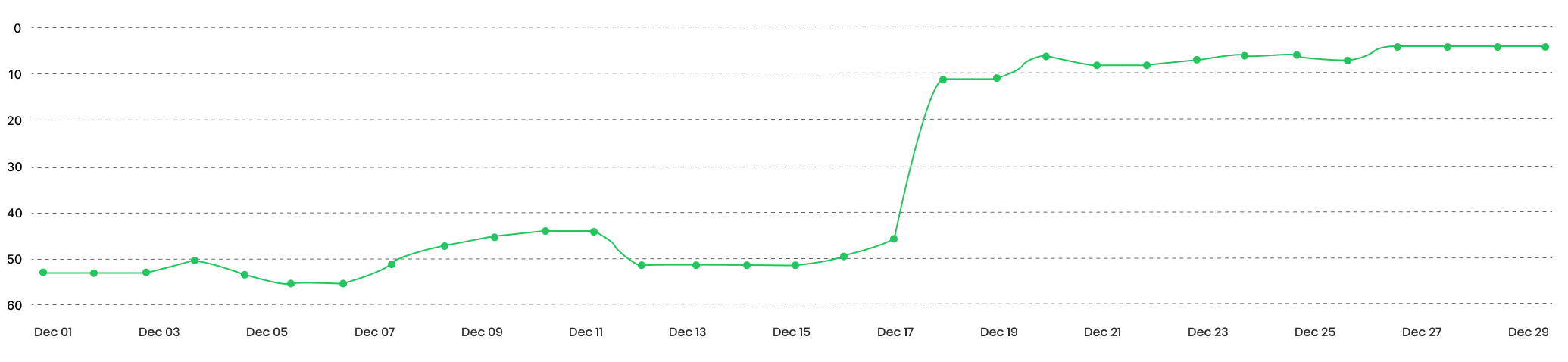
A Florida-based private investigation firm was stuck on page five of Google results. After starting a SerpClix campaign with targeted real human clicks, they went from position 52 to position 1 in just 14 days. This is a dramatic example of what engagement signals can do for rankings that are held back despite strong on-page SEO.
Getting Started with Real Human Traffic
Setting up a SerpClix campaign takes minutes, not days. Here is the process from signup to your first real clicks.
Create Your Free Account
Sign up at SerpClix.com. No credit card is required for the free trial. You will have immediate access to the dashboard.
Add Your Keywords and URLs
Enter the search terms you want to target and the URLs you want clickers to find in Google's results. Set your geographic targeting to choose the countries or regions where you want your clicks to come from.
Launch and Monitor
Once configured, your search tasks are distributed to real human clickers who match your targeting criteria. Track click completion, keyword rankings, and campaign performance in your SerpClix dashboard. You can adjust targeting and volume at any time.
Pricing That Reflects Real Human Value
SerpClix offers tiered pricing plans that scale with your needs. Because we pay real people to perform real searches, our pricing reflects the genuine cost of human attention. We do not compete with bot services on price — we compete on results.
Every plan includes access to the full network of 400,000+ clickers, geographic targeting, and the dashboard for monitoring your campaigns. The pricing page has current plan details.
Try It Free — No Credit Card Required
Start your first campaign with real human clickers today. See the difference that genuine engagement makes for your rankings.
Start Your Free Trial →The Real Traffic Advantage for SEO
When you buy real human traffic through SerpClix, you gain advantages that no bot service can replicate, because they stem from the fundamental nature of the traffic itself.
Clean Analytics Data
Bot traffic pollutes your Google Analytics with junk data: zero-second sessions, 100% bounce rates, and meaningless pageviews. This makes it harder to understand your actual traffic patterns and make informed decisions. Real human traffic integrates cleanly into your analytics because it behaves exactly like any other organic visit.
Sustainable Ranking Improvements
Because SerpClix traffic passes through Google's authenticity filters, the engagement signals it generates are incorporated into NavBoost and other ranking systems. This creates sustainable improvements rather than temporary blips that disappear when Google's filters catch up (as happens with bot traffic, if it has any effect at all).
Works Alongside Your Existing SEO
Real human clicks complement your existing SEO strategy. You are still building quality content, earning backlinks, and optimizing on-page elements. SerpClix adds the engagement signal layer that many SEO strategies are missing — the CTR signal that tells Google your listing is the one users prefer.
Applicable Across Campaign Types
Whether you are running a local SEO campaign, trying to boost organic traffic, or working to improve Google search visibility, real human clicks provide the same foundational benefit: genuine engagement signals from genuine users.
Who Buys Real Website Traffic (and Why)
SerpClix is used by a range of professionals and businesses who understand that engagement signals matter for SEO and who need those signals to come from real sources.
- SEO agencies managing client campaigns who need measurable ranking improvements they can report on. Bot traffic generates no reportable results. Real human clicks do. Read about how agencies use SerpClix.
- Local businesses competing in geographic markets where a few positions of ranking improvement translate directly to calls, visits, and revenue.
- E-commerce stores fighting for product and category page visibility in competitive keyword spaces.
- SaaS companies and B2B businesses targeting high-value keywords where each ranking position represents significant traffic and revenue potential.
- Affiliate marketers and content publishers who depend on organic search traffic for their business model.
The common thread is a need for genuine engagement signals that actually influence rankings, not vanity metrics from bots that Google has already learned to filter out.
Real Website Traffic vs Other Traffic Types
When you are looking to buy real organic traffic, you will encounter several categories of traffic services. Understanding the differences helps you avoid wasting money.
Direct Traffic Services
Some services send visitors directly to your URL without going through a search engine. This traffic may or may not be real humans, but it does not generate any SEO value because it does not create search engagement signals. Google only measures clicks that happen within search results.
Social Media Traffic
Paid social traffic can bring real visitors, but it does not influence organic search rankings because the clicks do not happen in Google's search results. Social traffic and organic search traffic serve different purposes.
PPC (Pay-Per-Click)
Google Ads traffic is real but expensive, and paid clicks do not influence organic rankings. Google explicitly separates paid and organic signals. PPC is a valid traffic strategy, but it is not a substitute for organic CTR improvement.
Search-Based Real Human Clicks (SerpClix)
This is the category that matters for SEO. Real humans performing real searches on Google and clicking real listings. This is the only type of traffic that generates the engagement signals Google's ranking systems — including NavBoost — are designed to measure. It is also the most expensive to provide, because it requires a network of real people rather than a server running scripts. Learn more about buying website clicks that actually impact rankings.
Frequently Asked Questions
Related Resources
Explore more about how real human clicks and CTR optimization can improve your SEO results.
Get Real Human Clicks That Actually Move Rankings
Stop paying for clicks that do not count. Join thousands of SEO professionals who have switched from bot traffic to the only platform built on 400,000+ real human clickers. Start your free trial today and see the difference real traffic makes.