
Buy Targeted Traffic: Drive Real Visitors Who Match Your Keywords
Most services that promise targeted traffic deliver random visitors with no search intent, or worse, bot clicks from datacenter servers. The result is the same: your rankings do not move, your analytics fill with junk, and you have nothing to show for the spend. The problem is not the concept of buying traffic. The problem is that most traffic is not actually targeted.
SerpClix solves this by targeting at the level that matters: the search query itself. You choose the exact keyword, the exact URL, and the exact geographic region. Then over 400,000 real human clickers search that keyword on Google, find your listing, and click through to your page. That is what a real targeted traffic service looks like — every visitor arrives through the precise search term you selected, from the location you specified, because a real person decided your listing was worth clicking.
Start Your Free Trial →What Makes Traffic "Targeted" (and Why Most Services Fall Short)
The word "targeted" is used loosely in the traffic industry. Many services claim to deliver targeted visitors, but what they actually provide falls far short of genuine targeting. To understand why, it helps to define what real targeting means.
Genuine targeted traffic means visitors who arrive at your site through a specific channel that aligns with your business goals. For SEO, the most valuable form of targeting is keyword-level targeting: visitors who searched for a specific term on Google and chose your listing from the results. This is the engagement signal that Google's ranking systems are built to measure.
Here is how different types of "targeted" traffic compare:
- Ad network redirects. Some services buy cheap display ad inventory and redirect those visitors to your site. The visitors have no search intent and no interest in your content. They arrived by accident or by curiosity, not because they searched for anything related to your business.
- Social media traffic. Paid social visitors can be demographically targeted, but they are not searching for your keywords. Social traffic does not generate search engagement signals that influence organic rankings.
- Bot traffic with "targeting" labels. The cheapest services simply run automated scripts and label the traffic as "targeted" in their dashboard. No amount of labeling makes bot clicks from datacenter IPs into genuine engagement signals.
- Traffic exchanges. Exchange networks send random visitors to your site in return for you viewing other sites. The visitors have zero intent and the bounce rates reflect it.
- Search-based human clicks (SerpClix). Real people search your exact keyword on Google and click your listing. The targeting is built into the mechanism itself: the visitor arrives through the search query you chose, from the geographic region you specified, because a real human performed a real search. This is the only form of targeted traffic that generates the click-through rate signals Google uses for ranking.
The distinction matters because Google does not care about visitor volume. Google cares about how users interact with your listing in search results. A thousand bot visits from a "targeted traffic" package generate zero ranking signal. Ten real human clicks from people who searched your keyword generate meaningful data that Google's systems — including NavBoost — process and use to adjust rankings.
The Three Layers of Targeting in SerpClix
When you buy targeted website traffic through SerpClix, you control the targeting at three distinct levels. This is what separates a real targeted traffic service from services that simply promise "relevant visitors" without any mechanism to deliver them.
Layer 1: Keyword Targeting
You specify the exact search query. This is the foundation of everything. When a clicker performs a search for "emergency plumber Austin" and clicks your listing, Google records that interaction against that specific keyword. The engagement signal is tied directly to the search term you are trying to rank for. This is fundamentally different from a service that sends a visitor to your URL through a direct link or ad redirect, which generates no keyword-level signal at all.
Layer 2: URL Targeting
You specify exactly which page on your site should receive the click. This means you can direct targeted traffic to your homepage, a specific product page, a location page, a blog post, or any other URL that appears in Google's results. Different pages serve different business goals, and URL targeting lets you allocate clicks precisely where they matter most.
Layer 3: Geographic Targeting
You choose the countries or regions where clicks should originate. SerpClix has clickers in over 160 countries, and because they are real people browsing from their actual locations, the geographic signals are authentic. This is critical for local SEO campaigns where Google weighs the searcher's location heavily in determining relevance. A click from someone actually located in Denver searching "Denver family lawyer" carries real local intent that Google recognizes.
These three layers working together create a targeting precision that no other traffic service can match. You are not buying generic visitors. You are buying specific search interactions — the exact type of engagement that Google's ranking algorithms are designed to measure and reward. Learn more about how this integrates with broader SEO traffic strategies.
Target the Keywords That Matter Most to Your Business
Set up your first targeted campaign in minutes. Choose your keywords, your URLs, and your geographic regions — then let real humans do the searching.
Start Your Free Trial →Why Targeted Traffic Matters for SEO
Google does not rank pages based on how much total traffic they receive. Google ranks pages based on how users engage with them in the context of specific search queries. This is why targeted traffic — traffic tied to specific keywords — is the only type that directly influences rankings.
NavBoost and Behavioral Signals
During the 2023 DOJ antitrust trial, Google confirmed the existence of NavBoost, a ranking system that has been active for over a decade. NavBoost measures real user interaction data to adjust search rankings, including:
- Click-through rate (CTR). How often users click your listing relative to its position in results. A listing that gets clicked more than expected for its position signals relevance to Google.
- Long clicks vs short clicks. Google distinguishes between users who stay on a page (long clicks, indicating satisfaction) and those who return quickly to search results (short clicks, indicating the page did not answer their query).
- Pogo-sticking patterns. When users click a result, bounce back, and click a different result, it signals that the first result was unsatisfactory for that query.
NavBoost processes 13 months of click data to calibrate rankings. This means consistent, targeted engagement over time builds a compounding effect. The more real users search your keyword and engage with your listing, the stronger the signal becomes. This is what we call the CTR flywheel: better clicks lead to better rankings, which lead to more organic clicks, which reinforce the ranking further.
Why Untargeted Traffic Does Not Move Rankings
If someone visits your site through a direct link, a social media post, or a redirect from an ad network, Google has no keyword to associate with that visit. There is no search query, no SERP interaction, and no CTR signal. The visit exists in your analytics but is invisible to Google's search ranking systems.
This is the fundamental reason why buying targeted traffic through search-based clicks works while buying generic traffic does not. The targeting is the mechanism that makes it work. Without it, you are generating pageviews but not ranking signals. Read more about how behavioral signals influence rankings.
How SerpClix Delivers Targeted Traffic
SerpClix is built on a fundamentally different model than typical traffic services. Instead of scripts, bots, or ad redirects, the entire platform runs on real people performing real searches. Here is the process from your campaign setup to the clicks reaching Google's systems.

You Set Your Targeting
In the SerpClix dashboard, you enter your target keyword, the URL you want clicked, and the geographic region. You can run multiple campaigns simultaneously for different keywords and pages.
Real Humans Search Your Keyword
Your search task is distributed to real clickers in the SerpClix network who match your geographic targeting. They open Google in their personal browser, on their own device, from their own residential IP, and type your keyword.
They Find and Click Your Listing
The clicker scrolls through Google's results, finds your URL, and clicks it — exactly the way any organic searcher would. This generates a genuine CTR signal tied to your target keyword.
They Engage with Your Page
After clicking, the visitor stays on your page for extended time, scrolling and browsing naturally. This generates a "long click" signal that Google interprets as user satisfaction.
Every step happens in a real browser environment with authentic fingerprints, real cookies, and genuine device characteristics. There is nothing to detect because there is nothing artificial. The clickers are real people, the searches are real searches, and the engagement is real engagement.
This is the same process described across all SerpClix campaign types, whether you are looking to buy Google traffic, buy organic traffic, or buy real website traffic. The mechanism is the same. What changes is how you aim it — and with targeted traffic, you aim it precisely at the keywords and regions that matter most.
Targeted Traffic: SerpClix vs Typical Services
The differences between SerpClix and conventional "targeted traffic" sellers are not subtle. They are visible across every dimension that matters for both SEO and business results.
| Dimension | SerpClix | Typical "Targeted" Traffic Services |
|---|---|---|
| Targeting Method | Keyword + URL + geographic | Category labels or website niche tags |
| Traffic Source | Real Google searches by real humans | Bots, ad redirects, or traffic exchanges |
| Visitor Intent | Searched your exact keyword | No search intent; arrived via redirect |
| Devices | Real personal devices (diverse OS/browser mix) | Datacenter servers or emulated environments |
| IP Addresses | Residential IPs from 160+ countries | Datacenter IPs, VPNs, proxies |
| Engagement Behavior | Extended dwell time, natural scrolling | 0-3 second sessions, instant bounce |
| CTR Signal to Google | Yes — tied to your target keyword | None — no SERP interaction occurs |
| Geographic Authenticity | Real people in real locations | IP spoofing or no geo-targeting |
| SEO Impact | Genuine engagement signals that influence rankings | Zero (filtered out) or negative |
| Analytics Appearance | Clean: organic search sessions with real engagement | Spam: referral traffic, 100% bounce, 0s duration |
The comparison comes down to one question: does the service generate real search interactions from real people? If the answer is yes, the traffic produces genuine engagement signals. If not, you are paying for numbers in a dashboard that Google has already learned to ignore. For a deeper look at the mechanics, see our guide on CTR manipulation and why the method matters.
Real People. Real Searches. Real Targeting.
Join thousands of SEO professionals who use SerpClix to send targeted engagement signals for the keywords that drive their business.
Start Your Free Trial →Targeted Traffic for Local SEO
Local SEO is where targeted traffic has perhaps its greatest impact. Local search results are heavily influenced by user engagement signals from searchers in the relevant geographic area. When someone in your city searches for your service and clicks your listing, that sends a powerful local relevance signal to Google.
Why Geographic Targeting Matters for Local Rankings
Google's local ranking algorithm weighs three primary factors: relevance, distance, and prominence. The "prominence" component includes user engagement signals — how often local searchers interact with your listing. Real clicks from searchers in your geographic area directly influence this signal.
SerpClix lets you target clickers in specific regions, so the searches come from people who are actually located near your business. This is fundamentally different from a bot service that might spoof a location header but still operates from a datacenter in another state or country. Google cross-references location signals across multiple data points, and authentic local behavioral signals carry more weight than spoofed ones.
Impact on Google Maps and Local Pack
Targeted clicks do not just influence organic results. They also affect Google Maps rankings and the local 3-pack that appears for many local queries. When real humans search "[your city] + [your service]" and engage with your listing, it signals to Google that your business is a relevant result for local searchers. Learn more about how CTR influences local SEO.
Local Targeting Use Cases
- Service-area businesses competing for "[city] + [service]" keywords (plumbers, lawyers, dentists, contractors)
- Multi-location businesses that need to boost visibility in several local markets simultaneously
- New location launches where a business needs to build local search presence quickly
- Competitive local markets where the top three organic positions capture the majority of clicks and calls
For any local business, targeted traffic from searchers in your area is the most direct way to send the engagement signals Google uses to determine local rankings.
Case Studies: Targeted Traffic in Action
These case studies demonstrate what happens when you apply precise keyword and geographic targeting through real human clicks. Each result was driven by a targeted SerpClix campaign focused on specific keywords and locations.
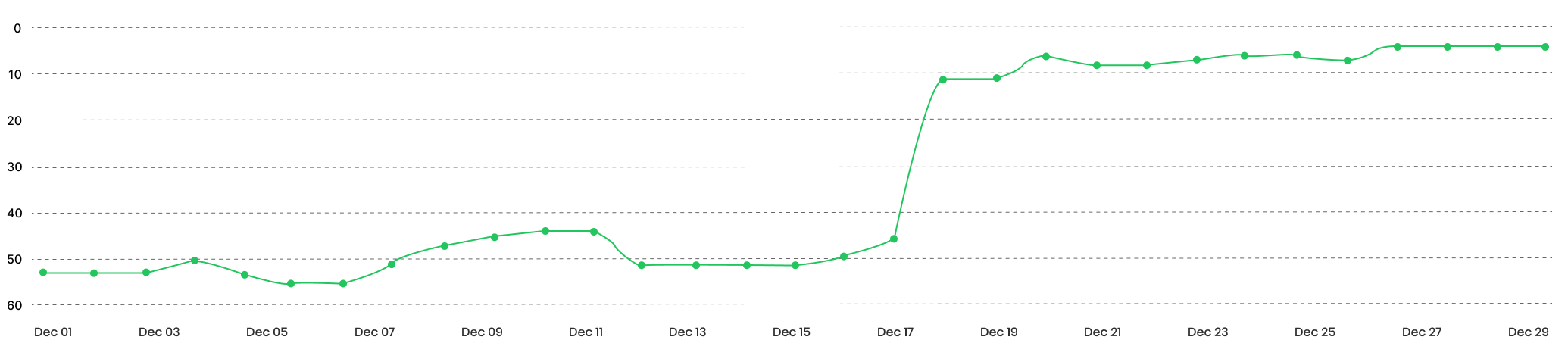
Florida PI Firm — Local Keyword Targeting
A Florida-based private investigation firm was stuck on page five for their core local keyword. They set up a SerpClix campaign targeting "[city] private investigator" with geographic targeting set to Florida. Within 14 days, the listing moved from position 52 to position 1 on Google. The local Maps listing also jumped into the top three, and the firm reported a 20-30% increase in calls and form submissions. This is a textbook example of how targeting the right keyword from the right geographic region creates concentrated engagement signals that move rankings decisively.
Nova Solutions — Multi-URL Keyword Targeting
Nova Solutions ran targeted campaigns across seven different URLs, each matched to a specific keyword. Every single URL saw a ranking improvement within 13 days. The consistency across all seven campaigns demonstrates that targeted engagement signals are reliable and repeatable when the targeting is precise: right keyword, right URL, right audience.
Coreter Media — Precision Keyword Targeting
Coreter Media targeted a keyword that was hovering just outside the top three positions. By directing targeted real human clicks at that specific keyword and URL, the average position improved from 4.7 to 1.7 in just one week. Moving from position 5 to position 2 represents a significant jump in organic click-through rate — top-three listings capture a disproportionate share of all clicks for any given search term.
See What Targeted Clicks Can Do for Your Rankings
Pick your most important keyword, set your targeting, and start receiving real human clicks from searchers who match your exact criteria.
Start Your Free Trial →Who Should Buy Targeted Website Traffic
Targeted traffic is not a one-size-fits-all solution. It works best for specific situations where engagement signals are the missing piece in an SEO strategy that is otherwise solid.
- SEO agencies managing client campaigns who need to demonstrate measurable ranking improvements. Targeted clicks let agencies focus on specific client keywords and show movement within days or weeks rather than months. See how agencies structure SerpClix campaigns.
- Local businesses competing for geographic keywords where a few positions of ranking improvement translate directly to calls, visits, and revenue.
- E-commerce stores fighting for product and category page visibility.
- SaaS companies and B2B businesses targeting high-value keywords where each ranking position represents significant traffic and pipeline potential.
- Content publishers and affiliate marketers who depend on organic search traffic and need to push important articles into top positions.
- Businesses with "stuck" keywords. If you have strong on-page SEO and good backlinks but a keyword will not break through from page two to page one, targeted engagement signals are often the missing piece. This is one of the most common and effective use cases for buying website clicks.
How to Maximize the Value of Targeted Traffic
Buying targeted traffic is most effective when it is part of a broader strategy rather than a standalone tactic. Here is how to get the most from your targeted click campaigns.
Optimize Your Listing Before You Drive Clicks
Before launching a targeted campaign, make sure your Google listing is compelling. Your title tag and meta description are what clickers (and organic searchers) see in the results. A well-crafted listing gets clicked more often, both by SerpClix clickers and by organic users who see your improved ranking. This compounds the CTR effect over time.
Prioritize Keywords Strategically
Not all keywords deserve equal investment. Focus your targeted traffic on keywords where:
- You are on page two or at the bottom of page one (highest potential for visible movement)
- The search volume justifies the investment (enough monthly searches to generate meaningful business)
- The intent matches a conversion action (informational keywords are less valuable than transactional ones)
- Your on-page SEO is already solid (targeted clicks amplify good content, they do not compensate for thin content)
Layer Targeting with Your Existing SEO
Targeted traffic works best alongside strong SEO fundamentals: quality content, relevant backlinks, proper technical SEO, and optimized on-page elements. Think of targeted clicks as the engagement signal layer that completes the picture.
Monitor and Adjust
Track your keyword rankings daily while running targeted campaigns. The SerpClix dashboard shows click completion data, and you can correlate it with ranking movements in your preferred tracking tool. If a keyword responds quickly, you may be able to reduce click volume and reallocate to other targets.
Use the CTR Flywheel
As your ranking improves from targeted clicks, your listing naturally receives more organic clicks from real searchers. Those additional organic clicks further reinforce the engagement signal, which supports the higher ranking. This is the CTR flywheel effect — targeted clicks create momentum that compounds over time.
Red Flags: How to Spot Fake "Targeted" Traffic
The market for targeted traffic services is filled with providers who use the word "targeted" without delivering anything close to genuine targeting. Before you spend money, watch for these warning signs.
- Prices that are too cheap. If a service offers 10,000 "targeted" visitors for $5, those visitors are bots.
- Targeting by "niche" or "category" only. If the most specific targeting available is a dropdown menu of website categories, there is no keyword-level targeting happening.
- No explanation of how targeting works. A legitimate service can explain the mechanism in detail.
- Guaranteed ranking positions. No legitimate traffic service can guarantee specific rankings.
- Datacenter IPs in your analytics. After purchasing traffic, check your analytics. If sessions are coming from known datacenter IP ranges, you are getting bot traffic, not real visitors.
- Zero engagement metrics. Targeted traffic from real humans should show meaningful time on page, scroll depth, and page interactions.
The simplest rule: if the service cannot tell you exactly how the clicks happen — what the clickers search, how they find your listing, how long they stay — the traffic is not genuinely targeted.
Targeted Traffic That Actually Works
No bots. No ad redirects. No traffic exchanges. Just real people searching your keywords on Google and clicking your listing.
Start Your Free Trial →Getting Started with Targeted Traffic on SerpClix
Setting up a targeted campaign takes minutes. Here is the process from signup to your first real clicks.
Create Your Free Account
Sign up at SerpClix.com. No payment required for the free trial. You get immediate access to the dashboard where you can create your campaigns.
Configure Your Targeting
Enter your target keyword, your target URL, and select the geographic region where you want clicks to originate. Each campaign has its own targeting parameters, and you can run multiple campaigns simultaneously.
Launch and Monitor
Once configured, your search tasks are distributed to real clickers who match your targeting criteria. Track click completion, monitor keyword rankings, and adjust volume or targeting as you see results.
The pricing page has current plan details. Every plan includes access to the full network of 400,000+ clickers, keyword-level targeting, geographic targeting, and the campaign dashboard. Because SerpClix pays real people to perform real searches, pricing reflects the genuine cost of human attention — we compete on results, not on undercutting bot services on price.
Frequently Asked Questions
Related Resources
Explore more about how targeted traffic, CTR optimization, and real human clicks can improve your SEO results.
- SEO Resources Hub
- Buy Organic Traffic
- Buy Google Traffic
- Buy Real Website Traffic
- CTR Manipulation
- Local SEO & CTR
- NavBoost & SEO
- Buy Website Clicks
- Buy SEO Traffic
- Increase Organic Traffic
- CTR Manipulation Guide (Blog)
- Does CTR Affect Rankings?
- How Agencies Use SerpClix
- Local SEO & Google Maps
- Behavioral Signals & Local Rankings
- Why Traffic Bots Do Not Work
- The CTR Flywheel Effect
- How to Increase CTR
Get Targeted Traffic That Actually Moves Rankings
Stop paying for traffic that Google ignores. SerpClix delivers real human clicks targeted at the keyword level, the URL level, and the geographic level. Over 400,000 clickers in 160+ countries are ready to search your keywords and click your listings.